Podcasting rewards consistency. A podcast is a repeatable pipeline, and once the tools are set, each episode should follow the same steps. A stable, simple stack means you can record, publish and promote an episode in a predictable block of time every week.
The short version: a decent microphone in a quiet room, local recording, edit by transcript, a podcast host that creates your feed, and a simple promotion routine.
Gear
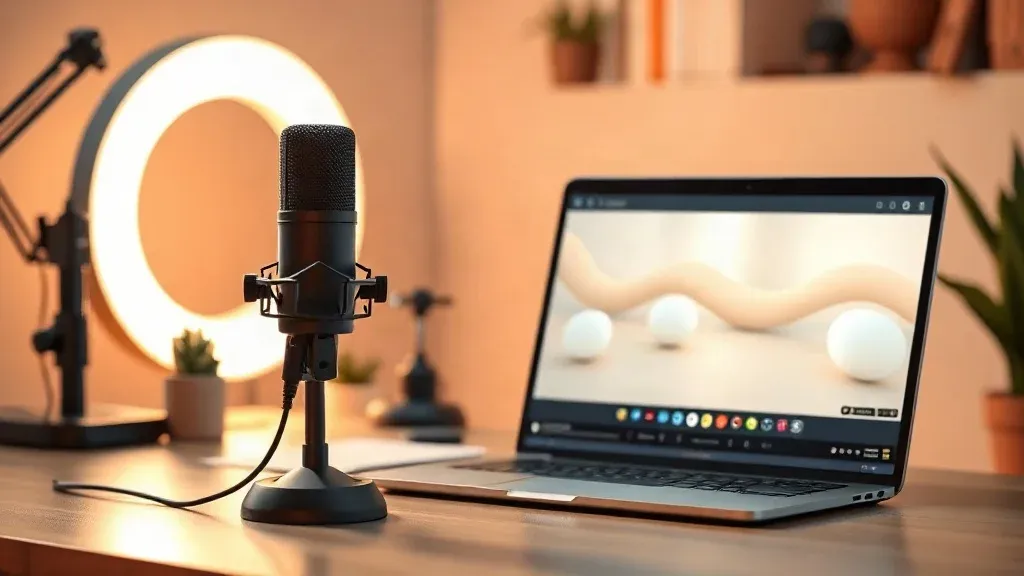
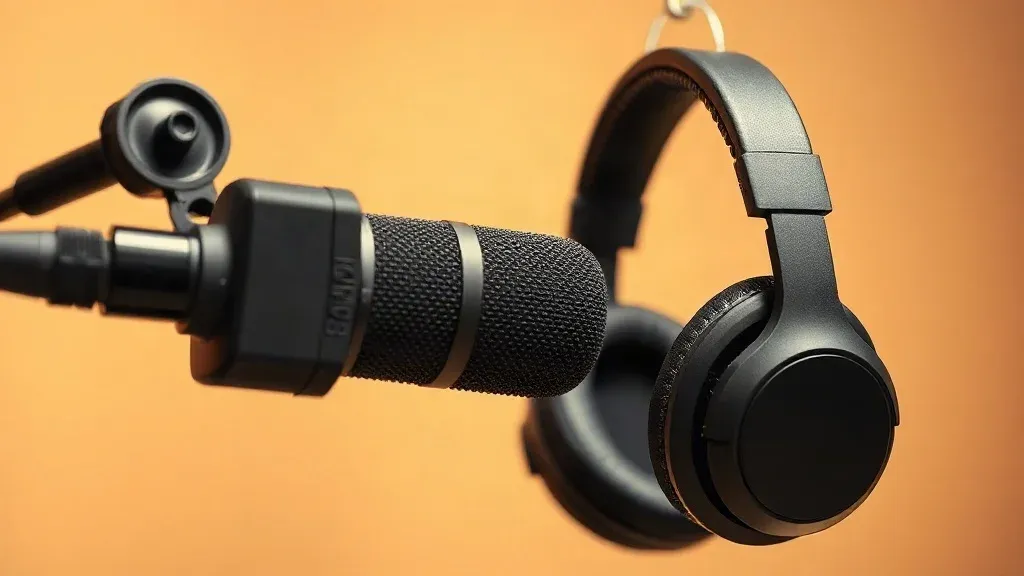
- Microphone. A dynamic microphone reduces room noise and suits untreated rooms. Our best gear guide covers microphone choices and setup.
- Headphones. Closed-back headphones let you monitor without feedback.
- Space. Soft furnishings, a rug and curtains reduce echo cheaply.
- Stand or boom arm. It keeps the microphone at a steady distance and stops desk noise.
Record and edit
- Recording. Record locally, for guests as well as yourself, so internet problems do not damage the audio. Riverside.fm is built around this.
- Editing. Edit by transcript in Descript, remove filler words and level the volume.
- Show notes. Summarise the episode with key points, links and timestamps.
- Workflow. Follow a consistent routine. See our podcast recording workflow.
Publish and promote
- Podcast host. A hosting service stores your audio files and creates the feed that apps such as Apple Podcasts and Spotify read. Check that you can move your feed to another host without losing listeners, and that you own the show.
- Artwork. Create cover art and episode graphics in Canva Pro.
- Website. A page for each episode helps people find you through search. See SEO for one-person businesses.
- Clips. Turn highlights into short videos and posts. See the content repurposing flywheel.
- Email. Send each new episode to your list. See the email marketing engine.
Respect rights and rules
- Music and sound. Only use music you have a licence for, or royalty-free tracks with clear terms.
- Guests. Get their agreement to be recorded and published, ideally in writing.
- Claims and ads. Be honest in sponsorships and disclose paid promotions and affiliate links.
- Privacy. Do not share private information about other people.
Make money later
A podcast takes time to grow. Common ways to earn include sponsorships, listener support, your own services or products, and affiliate recommendations. Decide your goal early, but focus on the audience first.
A lean weekly schedule
- Plan the episode (30 minutes).
- Record (about one hour, including setup).
- Edit (one to two hours).
- Publish and promote (about 30 minutes).
If time is tight, record several episodes in one day. See batch recording.
What to buy first
- A microphone and headphones.
- A quiet space.
- A recording and editing tool.
- A podcast host.
Everything else can wait until the show has a regular audience.
Questions people ask
How much does it cost to start a podcast?
You can begin with a modest microphone, a free or low-cost editor and a basic hosting plan. Add gear as the show grows.
How often should I publish?
Choose a rhythm you can keep for a year, such as weekly or fortnightly.
Do I need a website?
A simple page for each episode helps listeners and search engines find you, but it is not essential on day one.
How long until I get listeners?
Growth is slow for most shows. Promote each episode, ask your audience to share, and stay consistent.